Frankie Reed · 24 November 2026
How Privacy Frameworks Are Guiding Funding Allocations for Youth Training in Agri-Tech Along Emerging Rail Corridors
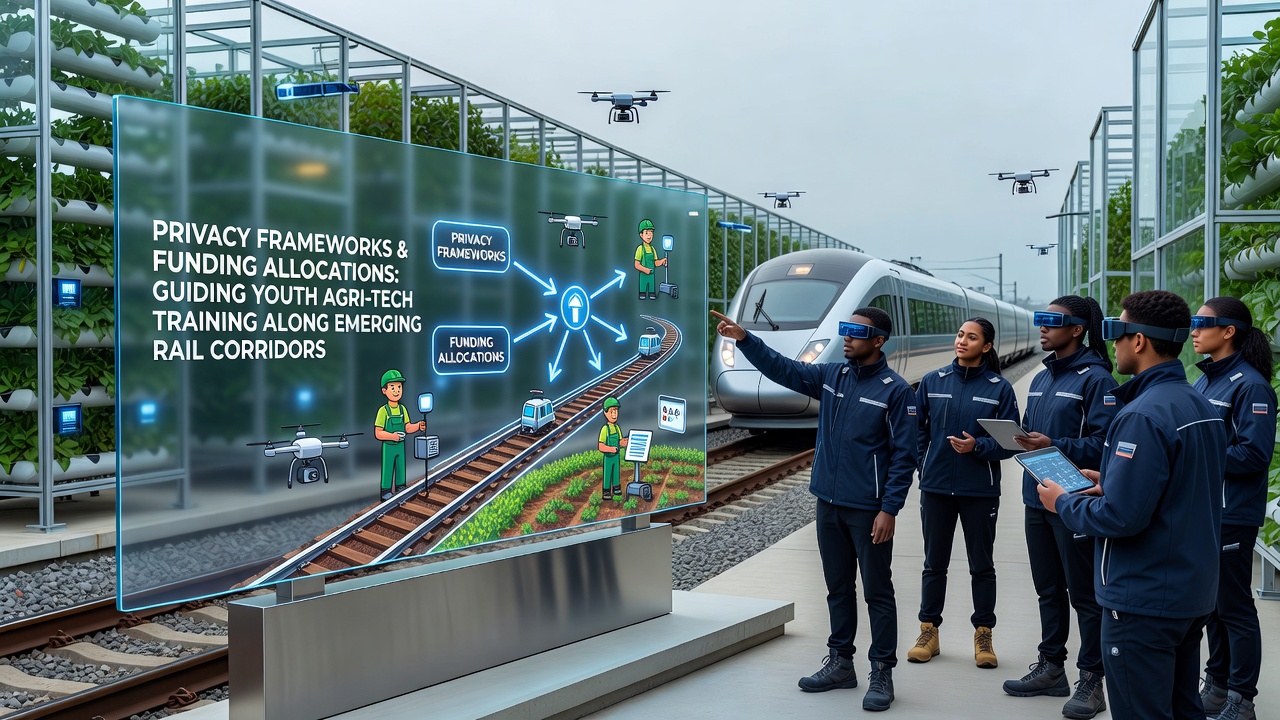
Privacy frameworks such as the General Data Protection Regulation and similar statutes in other regions shape how public and private entities distribute resources for youth training programs in agricultural technology, particularly where new rail lines connect production zones to processing and export hubs. In November 2026, allocation decisions in several member states reflect requirements for data minimization, consent protocols, and cross-border transfer safeguards that directly affect project eligibility and budget lines.
Core Privacy Requirements in Agri-Tech Training Contexts
Training initiatives that incorporate precision farming tools, remote monitoring systems, and logistics data platforms must demonstrate compliance before receiving disbursements from national or supranational funds. Observers note that programs teaching participants to handle geolocation data from field sensors or shipment tracking along rail routes undergo stricter review because those datasets often qualify as personal or commercially sensitive information. Compliance documentation now forms part of standard application packages, and reviewers cross-reference submissions against updated guidance issued by data protection authorities earlier in 2026.
Funding bodies examine whether curricula address encryption standards for data collected during apprenticeships, retention schedules for student-generated records, and procedures for anonymizing outputs shared with rail operators or equipment manufacturers. Where gaps appear, applicants receive conditional approvals that tie partial payments to corrective milestones rather than full upfront grants.
Integration With Emerging Rail Infrastructure
New and upgraded rail corridors create physical and digital linkages between rural training sites and urban technology centers, which in turn influences how privacy rules apply. Data flows generated by youth cohorts working on soil analysis projects or automated irrigation pilots travel along the same routes as freight manifests, triggering obligations under both transport regulations and data protection statutes. Planners therefore coordinate site selection for training hubs with corridor development timelines to ensure infrastructure supports secure local processing before any aggregated datasets move onward.
Reports from transport ministries indicate that corridors equipped with edge-computing nodes at intermediate stations allow training programs to keep raw sensor readings within jurisdictional boundaries longer, reducing the volume of transfers that require additional safeguards. This technical arrangement has become a factor in scoring funding proposals, with higher marks awarded to consortia that locate initial cohorts near these nodes.
Allocation Mechanisms and Eligibility Criteria
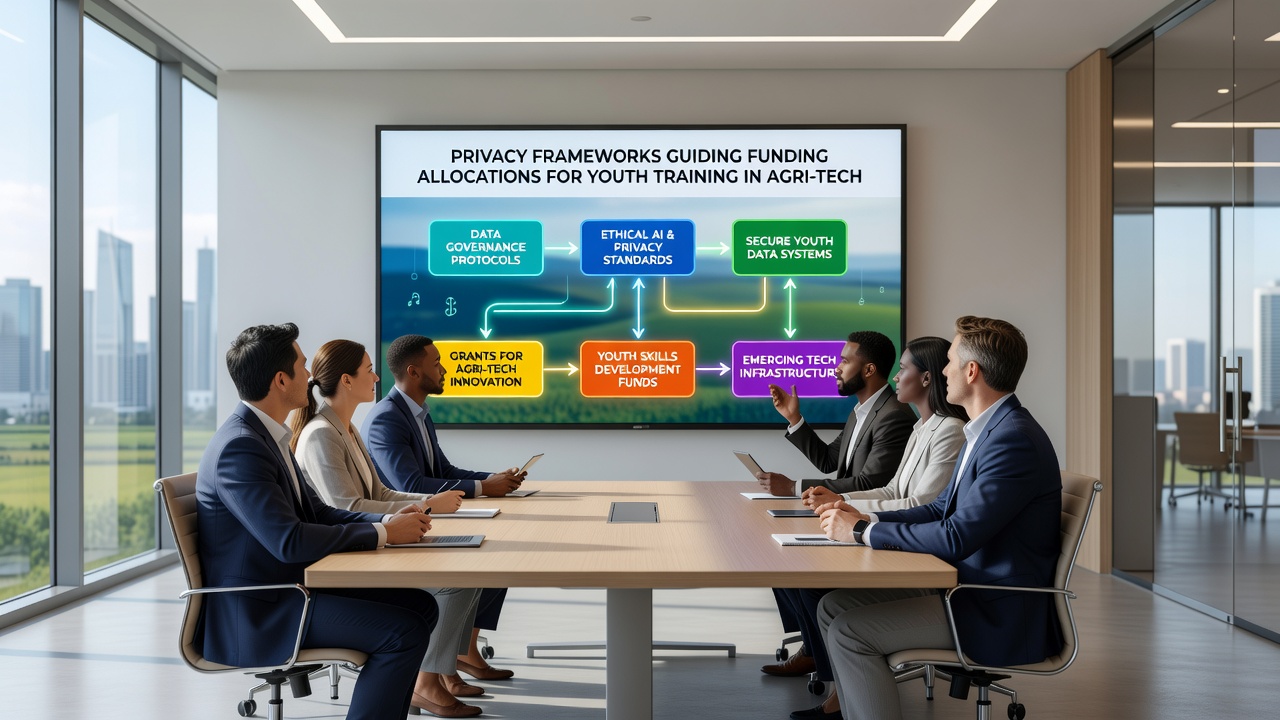
Grant administrators apply a tiered model in which baseline privacy certification unlocks access to core training budgets while advanced measures, such as third-party audits or differential privacy techniques, unlock supplementary amounts earmarked for equipment or instructor development. Data compiled by agricultural extension services show that cohorts demonstrating verifiable consent workflows and breach-response plans secured an average of eighteen percent more per participant than those meeting only minimum statutory thresholds. These differentials appear in disbursement records released in the third quarter of 2026.
Regional authorities have begun publishing comparative tables that list approved projects alongside the specific privacy controls each one adopted, allowing future applicants to benchmark their own designs. One Canadian research institute tracking similar North American corridors published an analysis in late 2025 that found parallel patterns when provincial privacy laws intersected with federal infrastructure spending.
Case Examples From Multiple Regions
Along a freight corridor under construction in central Europe, a consortium of vocational schools and equipment suppliers received phased funding after embedding data-protection modules into every module of its curriculum. The program restricted student access to identifiable farm-level datasets until participants completed supervised simulations, a step that satisfied reviewers focused on purpose limitation. In Australia, comparable youth initiatives along inland rail extensions incorporated state-level privacy impact assessments as standard deliverables, resulting in expedited release of matching funds from agricultural innovation grants.
Those overseeing allocations in both settings report that early integration of privacy planning reduced later administrative delays, since documentation could accompany initial budget requests rather than arriving as after-the-fact justification. The pattern suggests that frameworks function less as external constraints and more as design parameters built into project architecture from the outset.
Conclusion
Privacy frameworks continue to steer resource distribution for youth training in agri-tech by establishing verifiable standards that determine which proposals advance along emerging rail corridors. As corridor construction proceeds into 2027, entities that embed consent management, data localization choices, and audit trails into their operational plans position themselves for sustained access to public and private capital. The interplay between regulatory compliance and infrastructure timelines produces measurable effects on program scale, geographic placement, and participant outcomes without requiring subjective judgments about relative importance.